
I took all the shortcuts—fire
exit, hidden stairs, first car closest
to the escalator—and minutes later there
you were under the chocolate lamp at my
place, practicing French, irregular
verbs, ankles crossed at the
hiking boots. You put down your
book and tilted your head.
In the morning we put our heads together.
The apricots squished. The tears collected.
Then your cellphone hummed and the doorbell
bumbled. The super interrupted with his
mulched mood. So we got the hell out, to
the Greenway Terrace median strip where
everyone in this grow zone crowds into the F and
transfers at Jamaica. Let’s water the lettuce.
Let’s French at a crosswalk. Let’s thwack at each
other’s penises, cattails in a swamp, steeplechase,
gift giver, gift regiver, copycat, flatleaver, fat lover,
sugar shaker, Shangri-la.
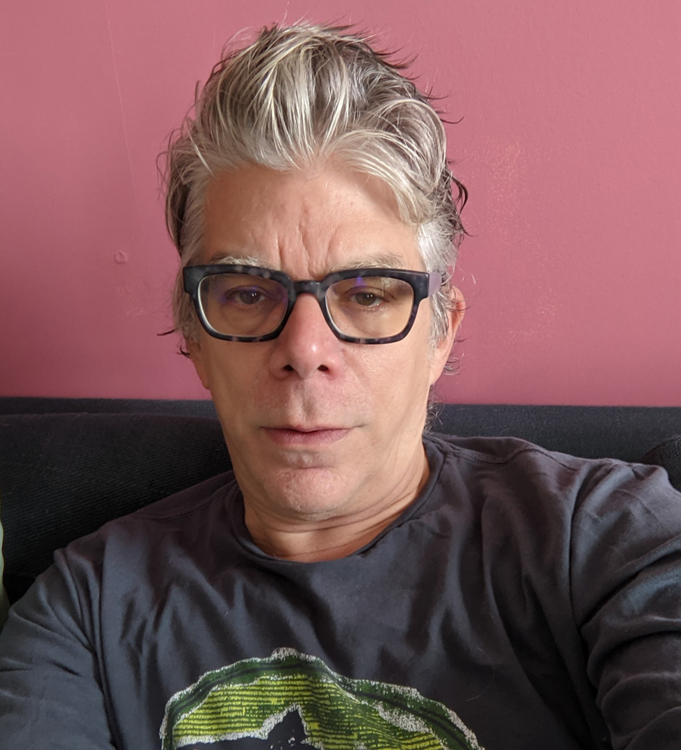 Daniel Metz poetry has been published in Best New Poets 2012, American Poetry Review, Salamander, upstreet, Imitation Fruit, Talking Writing, Audio Zine, Temenos, Assisi, Mudfish, CCAR Journal, Verse Wisconsin and other journals. He is a retired technical writer and teacher, and has a BA in English from Columbia and lives in Manhattan. His book of poems It Wasn’t Easy to Reach You will be published in February 2025.
On our worse days
We think being human is trash
But sometimes the grass wants to be flesh
Is not greener on the other side of the fence
And the heavens want a human experience
Unhappy with being simple spirits
And the constellations aren’t happy with its planets
And yet the earth still spins on its tiny axis
And we find gratitude for the little things
Like kindness and its sister forgiveness
Knowing that even when such siblings fight,
Tomorrow we will be alright
And not compare our size & our sides & our strides
With any other form of life
Because we are all just doing our best
Trying to keep alive
Living moment to moment
One breath at a time.
 Luis Pabon is a poet/social worker born and raised in Bronx, NY. Luis has self-published 7 full collections of poetry most recently Earth’s Bad Mouth (Kindle Direct Publishing, 2021). He has secured Honorable Mention for the 2021 Stephen A. DiBiase Poetry Prize and his work has been published in Up the River Journal as well as Pine Hills Review. Luis currently resides in Albany, NY where he works with individuals living with severe and persistent mental health concerns.

— for the women of Ukraine
I called my home “Memory” because before I was born ancestral voices instructed me to lay down my wings, go to sleep in the sea, and rise in the land of my mother.
Strong underground waters brought me to her. My first step became an anchor.
Her people were barbarians of distant origin, moved by pursuit through hostile lands. Centuries ago they raised a singing stone against the sky so that hundreds of years later it might beckon them back across the breath-bridge they called “Memory.”
My mother said I bore the mark of a mysterious incandescence, which meant someday I would gather our people to heaven. She told heaven and home were the same, so I called my heaven “Memory.”
And when our destroyer appeared, we swept our tears through the gutters to clean the smell of their metals from our streets. It was a sacrament to listen to the rushing flood in the cold muddy dusk. The flood moved our souls smoothly between the billboards and the lakes, the dead and the living. We called the flood “Memory.”
Like a blood influxion, positioned between my shoulder blades and lungs, it spread through my skin and under my oxygen. My veins became inroads, my lungs telephones, my aorta a radio. More whirlwind than water, it carried me. And what I didn’t know, Memory knew, and where I flowed, Memory had always been.
The stone my ancestors raised called out through my skin, and across the breath-bridge, and into every kitchen.
The wings I’d laid down appeared on the shoulders of those who rose above the flood, above encroaching death. Their forms shone bright against the sky, ringed with light.
I watched from the ground. Ancestral spirits had changed my flood-feet to Earth-feet, for their own reasons.
When the flood receded all was quiet. Not a soul remained, except for me.
I am alone. But I know memory will bring me home.
And so I call my memory “Home.”
Includes phrases from Max Jacob, translator Michael Benedikt; Atilla Joszef and Gyula Illyes, translator John Bakti; Mutsuo Takahashi, translator Hiroaki Sato — From The Prose Poem, An International Anthology, edited by Michael Benedikt, Dell Books, 1976
Next let us praise illustrious men,
ancestors of many generations.
Let us visit their gallery on National Picnic Sunday —
see how their statues stare past us,
mysterious as ancient carved stones?
Here is the head of a long-dead governor,
funny little Boswell around the jowls.
Masses of families on long-awaited holiday
squint at his inscription:
“They brought us parrots, armfuls of fruit . . .
they willingly traded everything they owned . . .
taking fifty of them captive I made slaves of the entire island . . .
in an hour I possessed three hundred men and their families.”
Let us walk past the open-mouthed crowd
And observe what happens when I say,
“Did you know his name means
‘rank old mutton wearing a snail mitten’?”
See how the upstanding grandfathers shake their fists?
Let us continue to praise illustrious men
whose children’s children stand safe today
in the shelter of their accomplishments.
Next is the famous sixteenth century civil servant,
his serene eyes ever heavenward.
See his fashionable pencil mustache?
See the young mother dipping her fingers
into the chiseled letters of his most famous utterance?
“Let us in the name of the Holy Trinity capture as many of these natives
as can be sold.”
I whisper in her ear:
“It is by following a trail of cheap perfume
that one discovers fresh air.”
See how she looks at me in horror?
She how she looks for a policeman?
Next let us praise the men who own death,
the men who took death from others
and wore it for a crown.
For instance, this famous sailor,
frowning like a sad basset hound in repose.
A wide-eyed child reads his legend aloud:
“Our work was to exasperate and ravage, mangle, destroy and kill.
We cut off slices of their bodies to test the sharpness of our swords.”
I tap the child on the shoulder:
“Did you know the natives fed poison to their babies
— to save them? In two years, half the Indians were dead.
In two hundred years,
all were gone.”
His mother spirits him away,
while I smile gently —
I know the blows that truth delivers.
Here, finally, is the still-living jolly philosopher man,
who once opined If not dominion then what?
I once wondered “If not poetry then what?”
I was not so old when he stole the words of my youth
from my mouth and gifted them to his wife,
who then grew an extra set of legs
so she could wear ever more
beautiful shoes.
This whole rotund multitude —
like cheap collectibles in a curio.
Yet I do not want to harm them,
send their bloated corpses floating
to the bottom of a lake.
Right now, outside my kitchen window,
in a crevice between missing bricks,
the wing of a dead fledgling sparrow
is becoming a fan of bones.
So let us praise illustrious men,
their faces inscrutable
as ancient carved stones —
the stones beneath which they buried
our mothers alive.
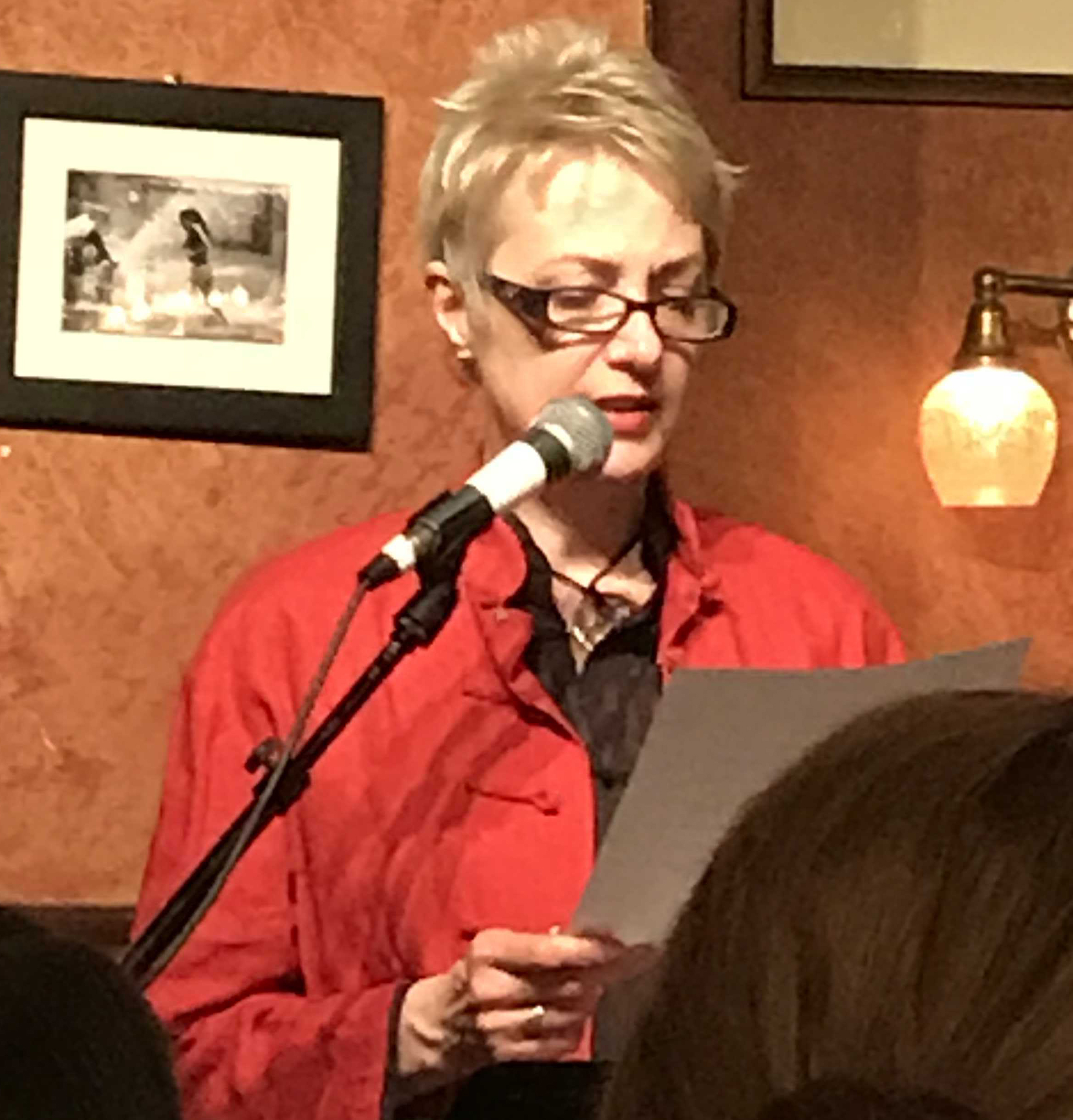 Sharon Mesmer’s most recent poetry collection, Greetings from My Girlie Leisure Place (Bloof Books), was voted “Best of 2015” by Entropy Magazine. Other poetry collections are Annoying Diabetic Bitch, The Virgin Formica, Half Angel/Half Lunch and Vertigo Seeks Affinities (chapbook, Belladonna Books). Four of her poems appear in Postmodern American Poetry: A Norton Anthology (second edition, 2013). She has published the fiction collections The Empty Quarter and In Ordinary Time, from Hanging Loose Press, and Ma Vie à Yonago from Hachette in French translation. Her essays, reviews and interviews have appeared in the New York Times, New York Magazine, Paris Review, American Poetry Review, Commonweal, and The Brooklyn Rail. She teaches in the undergraduate and graduate programs of New York University and The New School
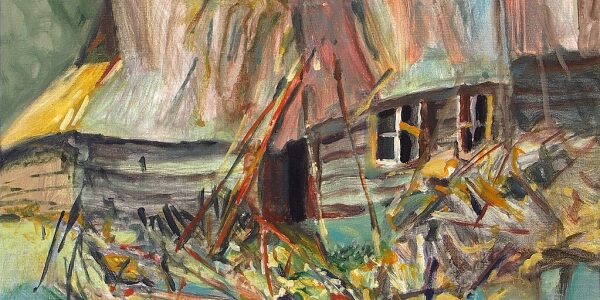
To get to the Howard Oberholter Artist Colony, I took a train to Plunketteville, then a bus to Upper Yarn. I hiked the last mile up a dirt road, humping a knapsack that contained a change of clothing, a battered laptop, and a sheaf of notes beyond dog-eared. I didn’t have money to spare for a cab. I’d been working on my first novel for five years and had quit my job at the Mayfly Diner to finish it. I was insanely grateful for this residency and ready to make the most of my stay.
The address was 310 Mountain Lane, but I almost passed it. #310 was a shack listing to the left, with weathered pine boards and two front windows of unequal size, like a squinting face. A caretaker’s shed, I assumed, and knocked on the door.
A left-leaning old woman in a quilted beige housecoat answered. She had a wandering eye and looked me up and down and up again.
“I’m Arthur Bunt, staying at the colony,” I informed her. I fumbled in my coat for the letter I’d received, pecked out on a typewriter with a faulty i key. I’d carried it everywhere for the past two weeks and fingered it like a talisman. In the left hand margin was a red-eye gravy stain from my last day at the diner.
Her attitude reversed at once. “Oh, a resident! Come in. I’m Louisa Oberholter, the colony director.” She stumped into what she called the anteroom, which led into “the parlor,” an area sectioned off by a folding screen that angled to the left. By the far wall was a jagged hole in the floor where someone had put a foot through the rotten board, which she carefully stepped around. “You’re a bit early. We’re ready at four o’clock.”
“Sorry, but I didn’t know how to contact you. Where should I leave my stuff?”
“Just bring it into the bedroom.” She gestured toward another screened-off quarter.
The bedroom was a rickety cot next to a cardboard box marked “Linens.” A threadbare blanket stretched to the edges of the cot, a duet of damp socks dangling over the rail. A tan knapsack leaned against the far wall, stained underwear spilling out of the front pocket.
I cleared my throat. “About the colony….”
“Howard was my husband, a postal worker. He never had the chance to write, just oversaw everyone else’s letters. He passed away behind the counter. I opened this artist colony in his name.”
I’d seen the ad in The Writer and applied. One of the attractions was the absence of any application fee. Just then I heard the noise of machinery starting up in back, like a giant clearing his throat. “What’s that?”
She gestured toward a tiny window looking out back, where a medium sized crane had started to chug, a wrecking ball hanging motionless like a ponderous exclamation point. “The Upper Yarn town council says the building’s unsafe, and they want to tear it down, but all they’ve done so far is put that machine there.”
I gestured toward the cot. “Is that where I’m supposed to sleep?”
“The colony supports two artists per month. The accommodations include room and board. You’ll have to share with Sam Lowell. He’s a poet, and he’s using the studio. His shift ends at four.” She checked her watch. “Right now. Sam!”
From behind the last screen emerged a huge man in faded jeans and an Emily Dickinson T-shirt. Mrs. Oberholter performed an introduction, and we shook hands. He was ink-stained and damp, though I saw no pen and paper anywhere. Behind him extended the studio, a four-foot alcove with a table lit by a humming fluorescent bulb. A rusted beach chair kept the table company. In front of me, Sam began to bed down for a nap. The cot squealed but held—for now.
“Sam has the towel. The shower and toilet are out back. Howard mistrusted indoor plumbing.”
Recumbent, Sam farted softly in a series of pffts. I nodded at Mrs. Oberholter while fanning the air.
“I’m no cook, but that cupboard has sardine tins. Saltines, too.”
Since she seemed to want me to look over everything, I opened the cabinet and took out a tin with a faded label. The expiration date was ten years ago. I didn’t see any Saltines but took her word for that.
Next came the studio itself. When I entered it, the orange colony cat emerged from the shadow under the table and drew blood when I tried to pet him.
“That’s Howie. He can be nasty if you approach him wrong. I think of him as the ghost of Howard. Your shift ends in twelve hours, unless you work out another arrangement with Sam.” She withdrew as Sam started to snore with a hint of a whistle.
I took a closer look at my workspace. The one concession to decoration, an embroidered sampler hanging in the alcove, read “TYME TO WRYTE.” I placed a hand on the plain deal table, which teetered to the left. When I tried to stabilize it, a splinter ran into my thumb. Cursing softly, so as not to wake Sam, I sat down in the low-slung beach chair, which aligned my head with the tabletop. The floorboards creaked ominously.
I thought about art. My novel wasn’t getting any younger. I looked at the cat, who glared back at me but sheathed his claws. Sam’s snoring wasn’t all that loud. The crane seemed to be edging away from the house.
Just then, the wrecking ball began to swing, slowly at first.
I hauled out my laptop, set it up on the table, and began to type as fast as I could.
 David Galef has published extremely short fiction in the collections Laugh Track and My Date with Neanderthal Woman (Dzanc Short Story Collection Prize), extremely long fiction in the novels Flesh, Turning Japanese, and How to Cope with Suburban Stress (Kirkus Best Books of 2006), and a lot in between. His latest is Brevity: A Flash Fiction Handbook, from Columbia University Press. Day job: professor of English and creative writing program director at Montclair State University. He’s also the editor in chief at Vestal Review.
I’m flat on my back when he takes out the gel. A gob falls on the floor.
This won’t hurt, he says. Fisting my hands, I stare at the wall, the basin, a neatly framed poster of a cat. Then his hand grazes my breast.
“Don’t be nervous,” he says. “I’ve done this many times before.”
My pulse starts, stops, gallops. Then I remember to take some deep breaths. I try to think of good times, times to savor, times to tuck into my pocket on a rainy day. An unexpected vase of flowers. Earrings for my birthday. A weekend at the spa. But then that final message punctures my thoughts. It’s over, read the words. Don’t keep asking why.
The room is small and getting smaller. Each sound is amplified.”We’re almost finished,” he says. Then he turns me on my side.
If only there were a pill, a transfusion, a magical procedure to mend hearts and heal pain!
One last click on the computer and he’s through. “You did great,” he says. A drawer opens and closes. A light in the ceiling blinks on and blinks off. He’s hovering now, leaning in his crisp white coat, brushing his sleeve against my neck. Then he unpeels the stickers from my chest and gently disconnects the wires. The screen is blank, the machine quiet. All at once I’m uncoupled, as untethered as an astronaut floating into space.
“The test looks fine. Your valves are clear, and the blood flow is normal.”
But something feels broken just the same.
Marlene Olin’s short stories and essays have been published in journals such as the Massachusetts Review, Catapult, PANK, Narrative Northeast and the Baltimore Review. She is the recipient of both the 2015 Rick Demarinis Fiction Award and the 2018 So to Speak Fiction Prize. Her work has been nominated for the Pushcart Prize, Best of the Net, Best Small Fictions, and for inclusion in Best American Short Stories.
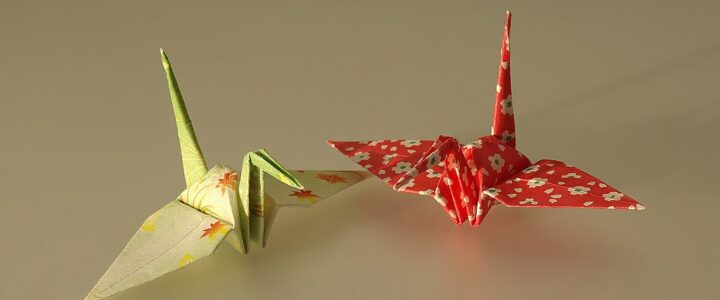
CRANING
The wings are scored
feather by feather
of nearly weightless wood,
and neatly folded one over the other.
The student of art in Kinshasa
put her name in capitals underneath.
Mbantshi.
I brought the bird
to Massachusetts,
she gazes through the kitchen window.
Her neck is so satin smooth
and sapling thin I have to look away
sometimes or the milk in my tea
will curdle with memory of lives
not mine to touch.
Kinshasa is a harsh ricochet.
Surely, Mbantshi, you were born
near water. Such a neck could not reach
as it does in the window,
as though the roiling waters
of Lake Kivu were just beyond,
and the thin canoes of fishermen
setting off at sunset to net tilapia.
Surely such an ineffable neck
craned toward you as a child.
THE PATIENT STONES
When I was young and thought love
was all I would need, stones waited
like parents frugal with advice,
there to be taken for granted.
Change, even severance, their grey
planes suggested, never depletes
our mineral co-existence.
So says the catbird absorbed by a field
in his slick black and scarlet suit.
So says the long arrow of his solitary call.
The stones sit, speaking grey
reciting round, rough.
Repeating here. Sit here.
The sustenance drawn from the natural world is a central theme of Adin Thayer’s work. Through poetry she seeks to express and explore how nature’s power, beauty and lawfulness do and could affect how we behave as people. Her work is informed by experiences she has had growing up in the South, and working in Rwanda over the past 20 years. She also attends closely to the moments of everyday life when awareness flashes and ordinary experience expands.
Read More »
I will keep holding my breath, counting the slow pauses between when my mother’s gentle feet
bend low in the morning, to when the bed holds the warmth of her body that once rested there.
And if this body is all I am given, then what do I do with all the shame?
I overheard an older woman say, once a girl lays with a man, she is no longer a girl.
In class four, Abigail, Sandra, and I were girls who used to count the number of hairs on our legs,
debating who was prettier by each strand of hair. And as slim as we were, with breasts budding
through our green and white uniforms, our bodies were our own, even when we jumped to play
on the playground, our uniform skirts bellowing till the whole world saw what color
underwear we wore.
I feel like a girl and not a woman.
Even when he says, “we are already here”. Even when he apologizes. My body is too generous,
and gives more than it takes. I mean to be forward, to spend time decorating my body with
precious things like flowers, colors vivid and violet.
I want to be my mother’s daughter forever.
There’s a version of me on the playground who walks backwards, swinging my arms as I chalk
my way through the hopscotch lines, who calls herself mercy, who is a blackbird and lovely and
until I am put back into the ground as someone who no longer needs this, I will keep drawing out
her name.
 Claudia Owusu is a Ghanaian-American Writer and Filmmaker based in Columbus, Ohio. She writes from these two liminal spaces, internally and externally, trying to make sense of them. She believes in the beauty of community and the intimate stories we share when we think no one is listening. Her work often engages the spaces that Black women and girls occupy, namely their relationship with safety, being carefree, and self-ownership. Her writing has appeared in Vogue Magazine, Clockhouse,Quiz & Quill Literary Magazine, Wusgood.black, 20.35 African Contemporary Poetry, and Ohio’s Best Emerging Poets 2017 and 2018. Her short films have screened at the Black Femme Supremacy Film Festival, Ohio Shorts Film Festival, and the No Evil Eye Film Festival. Her feature documentary, “How One Young Columbus Activist is Leading a Fight to Remove Police from Schools” is forthcoming with Frame Media, and her short film “Spirit” is forthcoming Fall 2021.
I
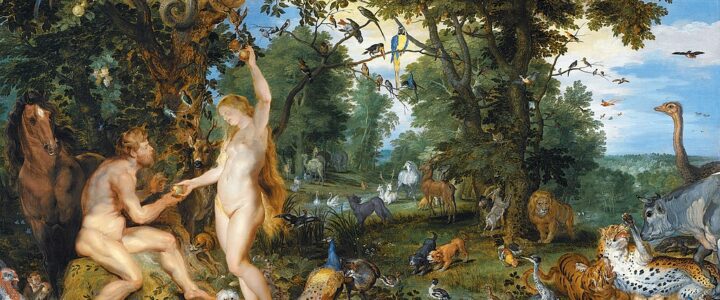
Eve stands beneath a tree in the cool of the day, naked and unashamed. Juice drips down her chin, the sticky blood of knowing. Outside the gates is pain and a promise: unto dust shalt thou return.
I fly back to Florida in September. My grandmother is dead.
Emma asks what I’m wearing to the funeral. I text her a picture of the cast of Pretty Little Liars wearing tight black dresses and oversized sunglasses as they carry a casket. She asks who’s coming to the funeral, I tell her what our mother tells me: a few extended relatives, some people from the church we went to growing up.
At the wake, I find a seat and adjust the safety pin holding my deep-V black dress together, a last-minute attempt at modesty before facing the Evangelicals of my youth. Everyone looks the same as they did ten years ago. Long dresses, bare faces, crossed ankles. How are things in New York, with all those taxes? one woman asks me. I think, weird question for someone who’s never had a fucking job, and I say, oh, it’s not so bad. She says, I pray for you every week, and I think, I pray for you, bitch while I nod and excuse myself.
My father and my uncle and some men from Community Bible Church stand in front of the room. They give speeches about my grandmother that feel more like they’re about them and their ideas of what a woman should be. She was a doting wife, mother and grandmother, a Godly woman, they say. They read scripture about women being patient and gentle and faithful and meek.
I drive to the cemetery. Emma gets stoned in the passenger seat. Heat rises off the seats and the dashboard and the pavement ahead of us. I can see it. I can feel it in my throat. The steering wheel burns my palms. At the cemetery, I park behind a trail of cars with choose life stickers on the windows.
We gather by her casket, which glints in the sunlight. There are no clouds. Pastor Clarence sings a hymn, the words of which I can’t remember. I hold my breath. I grip a sweating plastic water bottle in my lap. I peel the end of the label up and run my fingernail along the edge.
After the funeral, Emma and I stay up into the early morning in our childhood bedroom vaping and drinking pre-mixed margaritas from plastic bottles while we read the diaries we left there.
It’s like every time I think I’ve processed something, I say something new pops up.
Do you remember when he was like, “You have three options in life?” Emma asks.
I shake my head, but I start to remember.
II
In a dream, I’m in my childhood bedroom. I hear my father’s keys. My mother’s in the kitchen. Something simmers. I know an angry footstep when I hear one. Suddenly I’m underwater. My alarm pulls me out gasping. In my journal, I write had another demented dream about Florida.
It’s the summer before I start middle school. Everything feels weird. My limbs are too long, my teeth too big for my face. There’s a church cookout in Pastor Clarence’s backyard. In my bedroom, I put on a swimsuit. A one-piece, because I’m not allowed to wear bikinis. Over it, I wear a t-shirt and navy blue Soffe shorts. My father waits in the car. He hates to be late. He thinks it makes him look bad. I run out the front door and he whips his head around when I open the car door. You’re not wearing that, he says. He yells it. He’s incredulous. I look down at my outfit. I don’t see the problem. I say, yes I am, which is the wrong thing to say. His voice gets louder. Cover up, he says. My outfit feels smaller. My cheeks get hot. I stomp back inside. I debate changing into a pair of shorts that touch my knees, but instead yank the bottom drawer of my dresser and pull out a pair of jeans. I grab a red wool turtleneck sweater from the back of my closet and throw it on top. I’ll do what he wants, but not exactly. I storm back out of the house, slamming the door behind me. He says nothing and we drive away.
I sit at the cookout in my turtleneck and jeans and refuse to enjoy myself. Sweat pools at my temples and on my chest beneath my sweater. I glare at the elders. I glare at the screaming babies. The older kids take turns jumping into the pool. I glare at them, too. I push potato salad around my plate, but I don’t eat it. I refuse to chew. What I cling to: my father can force me to change and come and sit, but no one can force me to like it.
The next morning, like every Sunday, we go to church. Community Bible Church isn’t a pretty church. There are no stained glass windows, no wooden pews, no velvet curtains. We sit on faded pink waiting room chairs under fluorescent lighting. We drink the blood of Christ out of plastic shot glasses. And it’s not even wine, it’s just lukewarm grape juice. Every week, Pastor Clarence stands at the pulpit, red in the face, waving his arms and shouting about the dangers of sin. He rants about earthly temptations, the rotten desires of the flesh, the whores and the hustlers lurking around corners waiting to seduce us. For the most part, I daydream. I doodle pictures of fashion designs on the backs of my Sunday school handouts. I wonder what I’ll eat for lunch.
One Sunday, on our drive home from church, Emma says she’s never getting married. At a stoplight, my father whips his head around to look at us. There are three things you can do in this life, he says. He yells it. He lists them while he grips the steering wheel: Get married, stay a virgin forever, or be a whore.
The older we get, the more our father resents us. Always angry at us for growing up. Always angry at our bodies for existing. Always cover up, always, you’re not wearing that, always, you look like the town whore.
He laments having teenage girls. You think you have it bad, I have teenage girls! he says to a friend with sons while my sister and I sit at the table silently. Seen, not heard. He wanted someone to be tough with, not silly, sensitive girls. As if he would last a day as an actual teenage girl. As if he could stomach the blood.
In high school, my periods get painful. By sophomore year, they’re unbearable. I double over from my cramps. I throw up every month. I get migraines and backaches and chills. My pediatrician asks, have you tried taking Advil? I tell her nothing helps. She recommends hormonal birth control pills to help regulate my periods, lessen the bleeding, mitigate the pain. My mother laughs. I’m not enabling my teenage daughter to have sex.
On the car ride home from the doctor, my mother looks on the bright side. I’ve never really minded my periods, she says. The pain is a reminder. It connects us to Eve.
My Florida public school sex education isn’t exactly comprehensive and my parents refuse to sign the permission slips allowing me to sit through the lessons on protection and STIs. They don’t tell me much other than what the Bible says. At church, we watch videos of women crying and sharing their testimonies. They stutter stories through tears about how they came to God after getting abortions. How the babies they think they killed haunt them every day. All sin is equal in God’s eyes, my mother starts. But sex outside of marriage is especially abhorrent. It’s like murder.
For a while, I think my father’s rage must be justified. I’ve done bad things, or I’ve thought bad things, or I will do bad things one day. Every night after dinner, he makes us read the Bible as a family. He prints out discussion guides and asks us questions. If we don’t know the answers, he repeats them louder. You’re not leaving the table until you answer, he says. My mother is one of the students, too. She tries to be on our side without actually doing anything to let our father know she’s not on his. Don’t answer for them, Jan, he scoffs when she pipes up. Emma and I make eye contact across the table. This is nuts, right? we want to ask each other. His voice gets louder. His face turns red. He slams his palms into the dining table. He waves his arms like a lunatic. It’s almost funny. I shut down when he reads. I never have any idea what he’s going on about. It all feels a little delusional to me, to live an entire life based on a book written thousands of years ago. To force others to live entire lives based on the book.
He wields my mother like a knife. You’re ruining your mother’s life, he says when I get home past my curfew. She lets him say it. He twists. She sits at the kitchen counter and cries. I feel sad for her, the way I feel sad when I see a dead rat freezing over on the sidewalk in winter.
Emma gets the worst of his rage because she fights back. I lay low. I don’t ask to hang out with my friends, which makes it hard to have many who feel close. Emma comes home late one night. Our father waits by the front door. He drags her by the arm to her room. He slams doors along the way. He yells. I lie on my bed. I turn up Taylor Swift and Bright Eyes and The Mountain Goats on my iPod. I try to drown out the noise, but eventually I snap. I spring from my bed and push through Emma’s door. His spit touches her face. His fingers dig into her forearms. I push myself between the two of them, my fifteen-year-old frame a white flag. I peel his fingers off her arm. Stop yelling at her, I say.
You’re a peacemaker, my mother’s always told me. I see both sides. I see every side. All I do is look at sides and carry them around with me. I want someone to be on mine. I clench my fists. I hold back tears. My fingernails leave tiny crescent moons on my palms.
III
Back in New York, I stand in the produce aisle. I stare at a stack of fruit. I pick up an apple and turn it over, searching for bruises. Outside the store is a man who calls good evening, baby and flicks ash at my foot.
I’m supposed to be healing my relationship with sex, says my virtual therapist, but it feels unfair, so I don’t.
Most of the time when I have sex, my body tenses up involuntarily. This makes sex painful. There’s a medical term for it, but I hate the way it sounds, so I don’t use it. Other times, I float. My eyes roll so far back in my head that I become someone else, and I watch the whole scene from my perch on the ceiling.
I tell my boyfriend when it’s painful and he stops, but for the first time in seven years, I try to explain how it really feels. What it’s like to want sex until I’m having it and then to feel my body disappear. How it never quite feels safe. The shame. The loneliness. How my mind always drifts to some twisted heavenly daddy I don’t even believe in looking on, waiting to punish me somehow for my sins, for my desires.
It’s just not something I associate with love, I say. My words feel lost. I feel breathless trying to pull them out of my head and into the room. It’s just not something I was ever allowed to want.
He sits on the edge of my bed in silence, staring at the floor. He’s kind and calm and nothing like my father, but it still seems hard for him to imagine the context of my body outside the context of his.
That’s not normal, he says finally.
The more I process, the more I can’t stand to be touched. I don’t want anyone else telling me what to do with my body, or touching my body, or looking at my body, or feeling entitled to my body. I just want to be left alone. I need to recalibrate. I ask him if we can take a break. I ask if he can just fuck somebody else. But he doesn’t want that. He says he just wants me, but I think what he means is he wants a version of me that’s fixed.
The next weekend, we walk past a t-shirt at a thrift store that says the only thing I love more than reading is fucking and I laugh and point it out to him.
You don’t even like sex, he says.
We break up a few weeks later.
I search for pelvic floor relaxation solutions that are cheaper than physical therapy on r/ReligiousTrauma and r/CPTSD and r/Vaginismus. I don’t know how to get out my head and into my body. The strangers on the Internet suggest watching porn. But I can’t get past the production quality. The fluorescent lighting and bad acting. Who’s directing this shit?
Porn for women is always just porn with some horrible, forced storyline about your neighbor coming over and fucking you when it should really just be porn with good lighting. Porn with a high thread count. Porn with a CB2 bedframe. Porn with two women with trimmed, natural nails. Porn with no men in the scene or behind the camera or behind the screen or in the back of your mind. Porn directed by Sofia Coppola. Porn with a man who offers you a glass of water after, and he brings you the glass, and the glass is clean. I feel bad when I feel good so I feel bad.
In a dream, I stand in a garden.
I leave the club on the verge of tears and on Manhattan Ave they spill over. I wish I had a cigarette, but I’m crying too much to go buy a pack and I think I’m out of cash so I smoke the end of a joint at the bottom of my bag and my fingers start to feel numb. It’s the first really cold weekend of the season. I’m crying because some boy I hardly like won’t text me and I think it’s because of my body, because he stopped in the middle of sex to tell me my body felt bad, and I wish I could show him there’s more to me, but I’m not sure I believe it. Nothing else feels solid.
My sister says he’s prob just insecure and my friend says he’s a fucking sociopath and my other friend says sometimes it just takes one slutty phase to realize it’s not fun and men are bad at sex and my therapist stops me as I’m listing things I should have done to make him feel better to ask do you think you did something wrong? and I’m like yes, always. I text my friend with benefits I want you to come hold me down and fuck my brains out and what I mean is I want to stop feeling like myself for a minute.
I can’t sleep, so I try to read. But I keep identifying with the wrong characters. The ones filled with rage or self-pity or indifference. The selfish, the hateful, the spiteful. The liars and traitors and cheats. The hysterical women. The ones of little faith. The heroes feel so fucking annoying. Imagine the world’s ending and you think you can save it. Imagine wanting to.
I’m looking for new ways to be unlikable. It’s easier to tell myself I’ve felt alone forever because I’m just kind of annoying than it is to deal with the whole truth of things. I spend a lot of time wondering if I’m exactly like my father. My sister tells me I’m not. I tell her she’s not. But aren’t we his flesh? His bones? Don’t I hate to be wrong? Don’t I hate to apologize? Don’t my hands bleed when I open them?
In the summers growing up, we drive to the beach every morning before sunrise. My dad puts the seat down in the old green Ford Explorer to slide surfboards into the back. I rest my arm on one and shovel handfuls of Cheerios into my mouth while I read a Nancy Drew book. Now that I’m seven, he’s teaching me how to surf. We paddle out past where the waves break and he holds onto the back of my board while I wait for a wave. I shield my eyes from the sun with my hand until I see one then lie on my stomach and paddle. The water’s cool and glassy. The sky is clear. I push up off my board and stand up and ride the wave to shore. I’m goofy-footed like him. His face lights up. Yeah, Greta! he calls when I make it. I pick up my board and paddle back out to meet him. He feels like my friend.
Someday I’ll be dead and you’ll wish you’d spent more time with me, he says. I’m ten, so I get in the car. I buckle my seat belt. I follow him through Home Depot. He buys me a chocolate bar when we check out.
Outside my window, the top of the Empire State Building glows red and gold. I still don’t know if he loves me. I think he believes he loves me. I close my curtains. I flick off the lights. I crawl into my bed and curl up in the darkness.
In a dream, I stand in a garden. I stand in a garden and pick up a knife. I pick up a knife and twist it into his side. I twist a knife into his side and extract a rib. I extract a rib from his side and I turn it
I turn it
I turn it
I turn it
into a beginning.
Greta Schledorn is an emerging writer with a BA in English from Florida State University. She currently lives in Brooklyn, where she works as a copywriter and takes care of her mildly feral cat.
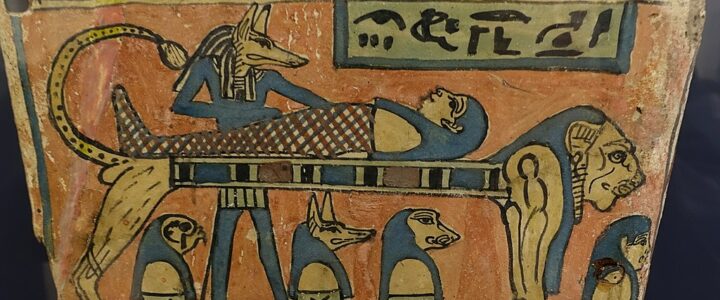
He was enormous, stretched, gold cat-eyes, the skull of a dog, crisp, beneath which the long mouth lay, all under a ceremonial gold braid, surrounded by erect dog ears; each of them drawn to a point, and he was all of black, sable black.
He came to me in the dead of night, and said to me without so much as a handshake, “Let’s go out walking, you and I.”
Does one do this with strangers? Almost never. I say, I have a soul. Sleeping in a single bed, every night, is never easy. Especially one with sides.
I took a sleeping pill. I always do. One, not two, and he approached me. I do not like waking up in the night. I have to pitch my way back into consciousness. He had a gold walking stick. The doorway led to a hallway.
Naked, yes, except for the skirt covering a slender waist, descended from which, arrow shaped legs converged on bare feet. The base of the torso itself as delicate as wind chimes. He had a demure behind, lovely, yes, as a woman’s breasts. I was abrupt. “You’re a jackal.”
He stared at me. He did suggest a jackal. “My name is Anubis, the God of embalming.”
There was no particular accent to his voice, either that of a boy, an old man, even, or somewhere between a woman and a toddler. He spoke in whispers. In fact, he churned my blood, urged it.
I have always understood likeness for what it is. We all do. Imagery is a sweet sap. Even the rain collects it.
It had been raining, yes. The glass on my window was melted, into rivulets. The rivulets resembled diamonds to me. Was I in an apartment? Really? Or somewhere else? A death chamber, I thought, I had to think. In fact, it had rained, several days now. I could smell mildew, which comes from damp. There are those who suggest sunlight is a brighter form of gold.
I sat up. Yes, he approached, took my comforter down, examined my body, in its sleeping gown. Was it the gown my mother had worn, that I’d kept with me–after her death–if only a thought?
It brought to me the tenor of her face. She’d perished–if I remembered correctly–swirling in a current that has no face. I thought it was natural.
“You don’t look like a dead person,” I said.
“I take care of the dead. How would I be anyone else?”
I did not want my mother with us. You understand. You see, Anubis stroked my breasts, I felt my milk inside of me, one drink, then another. I rose, left my room, its reign of sleepy terror. I quivered, under his breath, his scent. They were flowers, orchids, the uncertain smell of certain roses stained scarlet. These stirred me.
“Come with me now,” he said. “I will take you where the sun is all things. There is a valley, yes, where stone reflects stars.” To amplify himself, Anubis removed his belt, pants, untucked the many folds, revealed his striking anatomy. We sank to the floor. He lay beside me, turned toward him. I was penetrated. My soul–he said this was the KA, the embodiment–cried out. I could not live without bounds.
“This,” he said, “bonds you. Now we will travel. The distance isn’t far.”
Was this only an instant? I took hold of him by the small of his back. We crossed, we two, through shadow no void could penetrate, within which suns might lie—myself, now, holding his thigh. Anubis beckoned, as a female would beckon. I held him. We flew uncertain distances, but there was no travel.
We left this house, it was not a house, that was a lie—I hated it, precious little faces, ghost-like, grotesque, in beds like mine, secured–against what?–not one of them familiar.
Clouds gathered us, we loomed as we turned, I could see marks now wind had left in the sand below us, a great reach of sand, mountains, forms made of hills, motion, caught in their own memory of restless breath, and within them–as if a seam–river.
Illumination. Daybreak. Dark chased into shadow. We were finished with uncertainty. Unfathomed in my mind, a new place.
“This is yours,” he said, his voice–I would guess—I’d heard, countless times, every walk I’d taken, words I’d spoken, yes, even to the many strangers I’d passed, here and there, those I could not recall, how many and how few, vanished from sight, that my life might not be overburdened.
We settled into a grove. It bore no resemblance to sleep, to turning. “Do not caress me,” he said. “I am the way.” I had touched him. He lay down in the sand, on his belly. There was sand on his legs. “Without time,” he said to me, “there is no fear.”
He exposed me, totally, again. Buck naked, we waded into the current, Anubis pulled away from me, with such long strokes, his head bright. We found ourselves in a green pool. On the bank of this pool, there was a corpse.
There was no odor, the eyes, both white, the dark interior, ring, the ring of curiosity, absent, the dark point scoured, annihilated. Anubis took hold of its leg, drew it into the water, where it vanished.
“Why did you do this?” I said. Was I talking to myself–or to his KA? And were they separable?
“This man was ordinary. You are not ordinary. You know that. We put our organs in jars. We leave others to their fates. Things will become clear to you, if you only look. The afternoon is fresh.”
“But it’s only morning.” Why did I say this? Why did I insist?
“They are the same. Only you are different, when each of these things happens.” His voice had deepened, his dark body now in contrast to the rash sunlight. We heard nothing. Only our voices. There was no corpse to mourn.
“You won’t leave me,” I said to him, suddenly. I don’t know why. I leaned, kissed him. He kneeled in the sand, over me. His mouth felt man-like, I caught the edge of his tongue in my teeth, I felt his shoulders. I caught my finger up in each of his bright strands of braid.
“Morning is when our senses dream,” he said. “This man, this corpse, is still in your eyes. This is another form of birth. There are others. They lead.”
Anubis put his fingers to his lips, he felt them with his tongue. I was ashamed of my appetite. I hungered. What did I miss?
“Everything happens once. There are no repetitions.”
“Morning always happens,” I insisted.
“This is your imagination. Teeming with what you know. Imagination weaves. Talk is a wasp.”
He stood up now. “This river, all these fish, the corpse, have receded, many times. They replenish us. I, Anubis, manage this curtain of forms, hollow, only in remembrance. We cannot cling.
“Men, women–these are narrow distances, between which nothing is forgotten. Vivid, yes, lies, if you will, of infatuation. They have no lasting weight, beyond the uncertain shape of the dead—may I call you, Anna? No, it is not you, the name. An unwavering, constant shape. We subside beyond our names. The soul, yes, the KA, is general. The water withdraws, the seeds that infest, waters, currents, carry them, and they follow. The current does not bear wishes. It carries them. It is wicked.”
Anna was never my name. “You’re lying to me,” I said. I did care.
“You are real. Not your name, Anna.”
“Then, who am I?”
“You should know. You will know.”
We walked the river bank, a tributary, it fed a larger river, Anubis walked among the shallows, up to his ankles, mud pocks drew my smaller feet down, I fought to raise them, the sand on the bank, afterwards, only coated my feet. I resembled sand, walking. “Where are we going now?” I asked. I had to. I was dizzy. My stomach upset.
“On a boat ride. A journey, if you must. Minutes. Can you tolerate minutes?”
“But where?” I saw a child. A boy, sitting on a bank. Under a cluster of palms. I felt the sun penetrate my skin, minimal shade, the sun higher, I think I was happy with Anubis. A single stump of palm, now—this ringed, hard trunk—had been sunk into the sand, the water about it shattering diamond, this mirage so intense, the high points of it made me want to close my eyes, shut them. When you close your window.
I remarked the white sail of a felucca in the distance, little more than a skiff, its shadows blinking. The sail billowed. The child smiled. Not far behind, I saw an old man smile, without his beginning teeth. These teeth lost, in skin layered like onion, the open beauty of the boy had come, at once, to this concealment of what we call age. In honor of the world. “Our wake is our awakening,” Anubis said, “to what shall happen.”
The uncoiled line, a single line, trailed in the water. Anubis let the boom out, waited for a breeze. We were adrift. I leaned over the side and saw the bottom, clear, immaculate, an apparition of glass merely, only for a time.
Then green began to cover the pebbles, in sand, mud, now, what had once been smoothed and now agitated, there was nothing but sky, cloud, on top of this, I thought I was blind. Anubis shook his head, to say, no. Anubis held the tiller and put his arm around me.
We glided along the shore, bent, wound, turned onto the greater depth of the river itself, the shore less than nothing now, small, in the haze, away, no longer distinct, part of us. Foreign, even. I saw, then, the great stone formations, the greater landscape of all this. Our one day. I could make them out, in the haze. But was it haze? Gazing across the splintered wood of the boat itself, I saw my life flow in this hollow morning water, sun, on my arms and forehead. Did being a wife, an object, a trial, an irritation, make you less than anything else?
I wanted to think Anubis was perfect, in every definition of perfect, molded, yes, adorned, a mystery, not what we commonly think of as merely human. He read my thoughts. I knew this. Did a good husband come to you, for your inmost perceptions, ever? And did he shield himself from what is inevitably deep, hostile, a life-defiance that burns, as sun does? Women destroy those who would bring desire, turn to their children, away from their boyish husband. A badly shattered dream.
“What?” I said.
I wanted to settle this moment into passages I would understand.
“There is only nature,” Anubis said this, as if answering. He wiped his muzzle with his hand. “Anna, we can’t know why we are, why we weren’t before this, we are so entire, why we will not be, on a wisp of current. We know this moment. Our time, we call it. It shifts. We are, and will be, the same. Look at anything.
He stared. Frightened me now. There were no footprints that I could see, anywhere. We pulled toward the vacant shore. An ibis, in a tree, yes, white wings folded up, razor sharp beak, gleaming, each eye a dark fleck in sun, the ibis–if I left it behind–would not age. In a day, in a week. In a score of years, divided by the illusion of decades. Because I would not see it again, it wouldn’t rot, would it, a cusp of nothing. But what was it, now, then? And to what end?
Anubis brought a scythe up, out of the shallow hold of the felucca, I had not noticed it, in the time we’d been in the boat. He reached, cut a coconut away from the palm. It wasn’t a coconut. It was dates, these were date palms–hiding their odors until I bit into them. If there was rain, the sand would soak it up, Anubis handed me each date, I ate only one. “Your pleasures will be limited,” he said.
“What do you mean?”
“We will watch the sun descend,” he said. His big dog teeth gleamed in matchless yellow, his mouth a glaze, a hammering of light too generous. I looked at the sand, the lovely, hovering, broken mountain shapes about us, dancing atmospheric design, and I felt lost, lonely. An inhuman unsettling transport. Carried, plunged deep. “Come. This is your seeding time. We, you, I, have people to bury.”
“Where?” I said.
“Wishes don’t matter. This is only a moment. It does not need the weight of yourself.”
The ibis spread its wings, caught the air, cast itself, off the palm, worked its way out, over the horizon. Was something there that might not be found? The ibis soared, a ship, over our own white mast, over the horizon itself, one of many, its vistas awash, height, distance, illusion, these things didn’t matter in the least.
“He carries all souls, on his back,” Anubis said, “as I do. And Earth creates another of each. Each to each.”
The felucca turned in a swathe, took us back, to our first shore.
I saw the very mark our prow had left sometime before, in the sand. The boy we met before stood waiting for us. I thought I knew him, perhaps, what might pass for his mother, that once lovely, intent face, the uncertain swelling in her waist distracted, alongside the child-like fury of the river itself, only stilled for an instant, her long, shining, covering ended in a seam, as the boy took our bow line.
Now the sun bore down heavily on the horizon–which would swallow it, extinguish it. “Hurry, now,” Anubis said to me. “Hurry.” The boy’s face said the same.
“We’re going to the Valley of Kings now, aren’t we?” I felt nothing. No hunger. The date had been enough for me. One.
“Yes. The remains of great kings. We will enter through this labyrinth, this blue light, I say, of eternity. Light cannot make you anticipate.”
An orange-to-gold hue first. Yes, the horizon reddened, as we moved. Before all was the vividness, all things drawn with an exacting shadow. A final issue of dark spread over great, redundant masks of architecture, each etching, yes, of fallow, deepening soil, the concept of a single burial mound, all of the building about now flooded with tints of this light, an elaboration of night sky. Traced with hollow gold. We passed under columns, a geometric cliff. “Deir el Bahri they will call it, those who come after. My people’s temple. Where you either dress, or undress. It doesn’t matter which. Where you prepare for knowledge.”
I knew what made of night a constant, insatiable burning for day. Calm, nascent, near. This was the cave of night. Pyramids stood below us, continents, triangles, space, as we descended.
There are no secrets. There are only those who say life is a lie. We were husband and wife. We were stepmother, and son. “Hatshepsut.”
Yes, I said it. Hatshepsut.
“You are not Anna, then. There is no Anna.” Anubis had large teeth. Anubis smiled. It was a wicked smile.
“You’ve brought me here.”
“I didn’t have to tell you this.” Little more than bearer, animal. I did hate this embalmer, exterminator. It was ruthless. “Thutmose, of the three names. Your stepson. It is he you have come for, whom you ruled with, fifteen years.”
I stared at the dog.
“After your death, yes, your stepson and then your husband, Thutmose, after his father’s death and then your own, defaced all your images. Your boy king did this, eradicated your dreams. All memory of you, the breviary of your face. All women are alike. The milk is taken.
This is the nature of daydream. We wake, among the lies. We dream, among the possibilities. Not that the mind lives alone, but that the seed, animate, leaves the bearer behind.”
I had to say it, Anubis, now, not more than a carver of rotten meat, a scavenger.“I would not let him rule alone.” I hadn’t moved an inch, from anywhere. “He was too young. I ruled as a woman would, in his place, I kept my face above his, even as I held him. Why should I share with a boy, for that matter, a man?”
I’d come from a bed, where you waste, where your scents evaporate. Why should I be appalled by a memory. I could have slept. Why would we be haunted?
“Life betrays all who live, don’t you know this?”
I left his words behind. I entered in, at the tip, rock spire. The last, deepest thought lay before. It was a room, as when you clear your mind of fault, everything familiar.
No, nothing had been touched. I came for my own thoughts.
“Thutmose seduced me, corrupted me. Then death, too, corrupted himself, his eyes, what he saw. It was finished, diminished to dust, piled articles, wheels for a chariot, a tiny boat, of gold, for sailing–and, laid among insects, the whittled likeness of a mongrel, would-be embalmer.”
I opened them, the lids. I’d thought him my child, I thought the revelation would show a man, at once cruel, aging, abstract, suspicious, yes, he had closed my eyes before he defaced me, scattered my effects, and had merely lingered after me with another queen. The bed, abandoned, belonged to an eighty year old. I could not keep it waiting, my watery glass, my most emerald pool. I would sleep with my dog on my mind.
You’re right, dead, now, myself, yes, you want to say–lost in death–he struck my images from the earth.
Yes, I’d come, now, from a bed–where you waste, where your scents evaporate. I tell you this. He did resemble a dog. A memory, any memory, raises you, unnecessarily. He’d brought me back. I could have slept. Why would we be haunted? Why? Is it thought? How can nothing leave us behind?
“Life betrays all who live, didn’t you know this?” Anubis grinned, salivated. “Is this place what we think it is, totally beautiful–or an enormous cemetery, corpses in dirt, lost prey?”
I took his hand, yes, I. We entered at the tip, I knew where, the rock spire. No one dragged me. I led. This last, deepest cave lay before. It was my necessity, as when you clear your mind. How often do you do this?
Our sleeves caught on nothing. We descended, yes, stumbled, everything disconcertingly familiar. Nothing, I say, had been touched. Time stopped.
Thutmose, this little man, had seduced me, corrupted me, and, as always, he, himself, in his own turn, had been corrupted, forsaken. This was history. No longer a sharpened knife edge. important. Death had met him, yes, stole his KA, his eyes, his everything.
Dust, piled articles, wheels for a chariot. Yes, a male. An ascendant male. A tiny boat, of gold.
Anubis, my mongrel, now himself also–among the insects, termites, we feel them, under our bed, now painted wood, a token of fear, statue, shall I say, paws, four of them, laid flat, over casket wicker.
I opened it, with my hands, this toy-like menace, I say I did, no one else, the many pretty lids of the enclosure. I’d thought of him, Thutmose, yes, my child, face, hands, the women who heaved him up also dead, only before, therefore, less than I. I was excited. The dust hovered, I thought it might reveal a man, cruel, aging, abstract, suspicious, what he had done to me.
I saw him close my eyes, he had done this, yes, because he had stood over me, briefly, in my moment of silence, in all that living had happened.
Call it a womb, a basket. Myself. Myself only. I saw, however, an infant, shake its fist. And understood, beyond loyalty, faceless love. His true mother would have heard his actual cry, as he had lingered after me, in this unattainable beauty.
Was it, after all, dissolution? You look at the street light, through window screen, you see the light of another, better life. It is there, in your head. The bed, after all, I’d left, abandoned, had belonged to an eighty year old. Someone, anyone, I hardly knew. She, I, Anna, Hatshepsut, watery glass, on the most perfect day. This is not, and must not be, effacement.
Craig Curtis has published widely over the last several years. His work has appeared In the New England Review, The Iowa Review, Confrontation, The Harvard Review, Chicago Review, and Carolina Quarterly, among others. He lives in Idaho.
Read More »
Better than immigrant recipes because tastes lose their tribe.
In this neighborhood few buy lard— heartstopper, scale-breaker—
preferring the viscous, the transparent, cakes composed with olive oil,
and so find a way to zest, bright crumbs on the tongue.
What she would possess came after Belarus: awkward marriage
coarse sheet with an itchy seam, cache of mispronounced French words.
This is the survivor bowl, the nesting red and yellow smashed
when she packed them for one too many flights
crossing the country, tossed from house to house in blackbird clothes.
The year we shared a room, solve for x was a slap or so I felt
which helped me learn my mother, why her eyelids clenched
when lightning diamonded the yard in lariats.
What stories were stirred into those nights, what revisions, redundancies
the fabled gardens she watered at dawn
emerald lush monstera, philodendron, a furzed violet phalanx
blocking light. Her memoirs, buried in a box. Normal school. Nightmare of the buttonhook.
If something doesn’t bloom do we throw it out, if it roots do we cut it back—
there is something tough, indigestible about genius transliterated.
I can no longer break down milk, wheat, use butter only to heal oven burns.
Cooking melds foreign elements. I lift the bowl from its dusty place
show me the binding agent in this thin-skinned phase of life.
I’ll tell you what she packed against the children’s quarrels, her shameless threats
onion pricking crocodile tears: a spoon, a stretched-out lace chemise
a few paste trinkets, Shakespeare’s greatest condensed plays.
When born to another language, disambiguation cuts through
only be clear be clear spoon striking table, membrane of orange, papery
don’t you see the integument, fruit of the unpronounceable
you cannot have an angel on a fir tree you can have some cake.
Today a mealworm curls inside the bowl, is it an omen this tiny husk
rolling away from a breath, why does its carapace undo whatever has been done.
Carol Alexander’s third and most recent poetry collection is Fever and Bone (Dos Madres Press, 2021). Her work appears in anthologies and literary magazines such as About Place Journal, The American Journal of Poetry, Another Chicago Magazine, Caesura, The Common, Cumberland River Review, Delmarva Review, Denver Quarterly, Free State Review, Matter, Mobius, One, Pif, Potomac Review, Ruminate, San Pedro River Review, South Florida Poetry Journal, Southern Humanities Review, Stonecoast Review, Sweet Tree Review, Terrain.org, Third Wednesday, Verdad, and The Westchester Review. New work is forthcoming in RHINO, Gyroscope, and elsewhere. With Stephen Massimilla, Alexander is co-editor of the award-winning anthology Stronger Than Fear: Poems of Empowerment, Compassion, and Social Justice (Cave Moon Press, 2022).
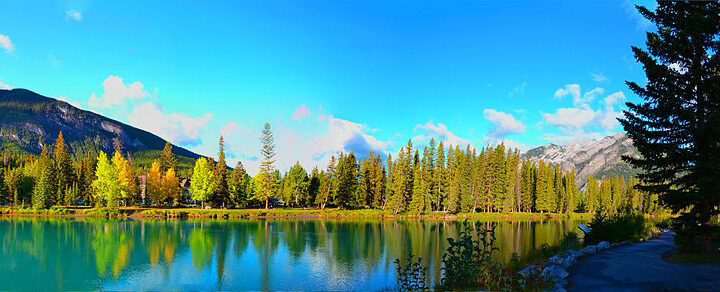
All light of yesterday in this place
is now hidden. It could be the ground
heating my feet or it could have fled
with the stream into some larger body.
I wait for the moon, but for the trees
the moon means only tides pulling
something closer. Could all water have been
in this lake? I could collect a lake.
I am a lake 1,000 feet deep,
deep blue with white caps, trembling.
The moon pulls and I am flattened, hollowed
and stretched thin. All light wanting to go
anywhere, to not fade with reflection
off of water bodies, the light lost to space
murmuring where did it all go? Last time
I lost it all, I had empty hands, lakes
evaporated, clouds formed. Now, the eternal
water and I warm ourselves in the new light.
Jess Gersony (she/her) is a queer poet and plant biologist investigating human-earth interactions. Her poetry has appeared in The Sycamore Review and Off the Coast.

HEEDFUL
“Hospitals in Ukraine are being battered by artillery and airstrikes with increasing frequency. The World Health Organization said that as of March 30, it had verified 82 incidents of attacks on health care since Russia invaded Ukraine, causing 72 deaths and 43 injuries.”
-The Washington Post, April 4, 2022
Bold-aged, heedful in our fabric,
We will tomorrow-face
Your ravening salvos, triage
Your unasked incoming.
If you’d lop nurses’ lives,
we cannot unlimb them.
Take rather
Our caduceus-carved columns.
If you’d hush doctors’ hearts,
We must unstill them.
Ravage instead
These wrought Tsarist angels.
And if you’d seize patients’ souls,
Cleave cornices only.
Let our friezes
Stand hostage.
RAKING
These wet leaves
Submerged boggy in garden soil,
Then heaped beneath the rake,
Pant to be tilth,
Crave to birth,
Are already pushing,
Loam-bedded under cuticle,
Loop of palm, whorl of thumb.
Mike Reis is a writer and environmental historian who has had poems published in The Galway Review, Crossways, Gargoyle, Lucille, Urthkin, The Archer, Laughing Bear, Grand Little Things, North of Oxford, The Broadkill Review, The Raven’s Perch, the Amelia poetry postcard series, and Cabin Fever, the anthology of the Joaquin Miller Cabin Poetry Series
Read More »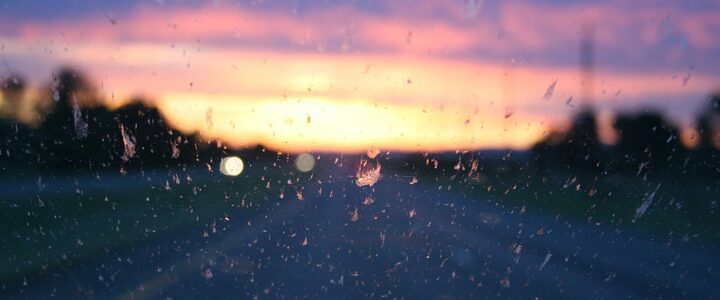
Insects have transformed into
a graveyard the windshield of
my Indian Scout. My brother
rumbles down the engine of his
Chief, pulls off his gloves, loads
the camera & silently snaps
a photo of a Lake Michigan
blue sky big as God’s hands.
The photos of his buddies
show them sober, a little bit
green a little bit yellow, waiting
to be shipped out, waiting
while a train prepares for
departure, waiting for
their futures to arrive,
their shadows detached from
their bodies, strewn across
the ground ahead of them.
Served my country
he said to me. Now
I want to see it.
Never discussed his plans
with dad during supper
or mom over morning
coffee, never talked
except to say it’s a sin
to commit murder. We avoided
the speed traps in Minnesota
North Dakota towns, landscapes
bleached yellow by goggles, hills
Timothy Cook, an Edgewater Chicago native, graduated from Loyola University with a BA in philosophy and from the MFA Program for Writers at Warren Wilson College. His poems have recently appeared in such locations as The Main Street Rag, Rogue Agent, Thin Air, and [PANK] Health and Healing Folio, and he is a recipient of a grant from the Mookie Jam Foundation, which supported artists living with multiple sclerosis.
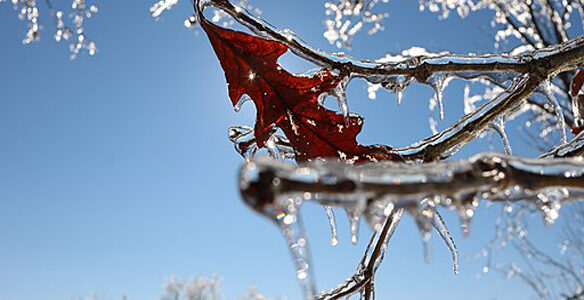
Winter’s darkening hour, shroud
slipped over the leaf-strewn grass
we once called backyard and patio
where we sat under stars, wine
in hand, warmed ourselves around
a well-fueled fire pit so summer’s late
evening breeze wouldn’t chill us.
January dark comes early behind
the last planted evergreens, where wild
woods tumble into the ravine, climb
out, walk their way up the steep slope
that brooks a distant view. Gray-brown
trunks like footsteps rising from the tangle, and
strewn limbs slice a New Year’s steely sky.
They say a storm is coming
up the coast, first of a worried new year.
Landmarks in our yard, soon to be shrouded
in mounds of fresh snowfall—inkberry, holly, yews—
their edges blurred. While winds howl
at laden tree limbs, test their strength and bend them toward
sagging power lines. We could be spared this time,
high and dry, a whole-house generator to keep us
warm if we need it. Still I can’t help but imagine:
the seaside just a mile away, awash in the next storm-surge, where
flooded living rooms stand on their stilts. Or the Interstate, where
drivers sit blinded in whiteout, unsure if they’ll arrive
wherever they’re headed tonight. I wonder who’s next,
no matter the warnings, helpless against the mockery.
Sated for plucking from his comfortable illusions, all
for no good reason. Just the way the seasons roll.
AG Compaine is a psychiatrist and a psychotherapist whose work focuses on long term psychotherapy with adults who have childhood histories of abuse/trauma. He and his husband are in the first generation of gay men to raise of child of their own together, and she has started college this past September. Although AG has been writing poetry for several decades, he just began to send out his work for publication in September 2021. His first poem was a long (7-part) poem that appeared in the December ’21 edition of Willows Wept Review. Since then, he has had several other poems accepted, and they will be coming out this Spring ’22 in Euphony Journal, The Tusculum Review, and Willows Wept Review.
 [new_royalslider id="17"]
Ana Flores is a sculptor and ecologist. Her work is informed by how pla
[new_royalslider id="17"]
Ana Flores is a sculptor and ecologist. Her work is informed by how pla
 2 Poems
 Let Me Straddle Your Mind
 The Crusader
 Yeah bring our electric shaver back, I bought it we shaved each others back
it was important to me
Yeah bring our electric shaver back, I bought it we shaved each others back
it was important to me
 Kwame Dawes
 1
Yes, we were country, lived in shotgun
shacks, where the road loses its way
to dirt and live
1
Yes, we were country, lived in shotgun
shacks, where the road loses its way
to dirt and live
 [new_royalslider id="11"]
Courtesy of the artist and Mizuma Art Gallery
[new_royalslider id="11"]
Courtesy of the artist and Mizuma Art Gallery
 "Feminism is a socialist, anti-family, political movement that encourages women to lea
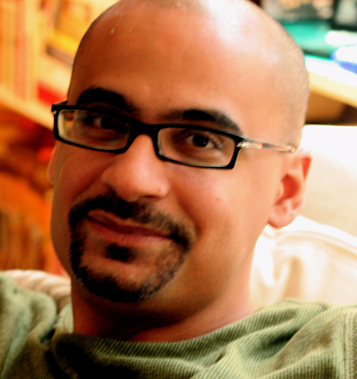 Junot' Diaz
and Edison, NJ
Junot' Diaz
and Edison, NJ
 The first time we try to deliver the Gold Crown the lights are on in the house but no on
 Elegy & Poem
 "We are all the other."
 …and find inside a picture,
of myself as a child, sitting
on a small chair, wearing overalls
an
…and find inside a picture,
of myself as a child, sitting
on a small chair, wearing overalls
an
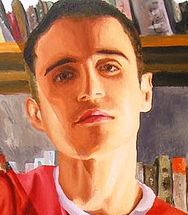 Raphael Perez
 To Alex, on turning two
Some say the Ring of Brogar
is the Circle of the Moon.
There is n
To Alex, on turning two
Some say the Ring of Brogar
is the Circle of the Moon.
There is n
 March on Washington
An Interview with Cheryl Evans
March on Washington
An Interview with Cheryl Evans
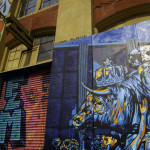 In a strange twist of what seemed
like reverse vandalism, the Graffiti
Mecca was painted over.
In a strange twist of what seemed
like reverse vandalism, the Graffiti
Mecca was painted over.
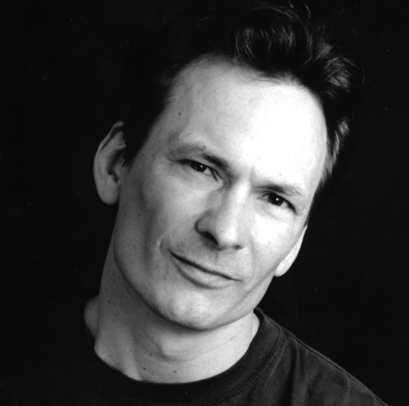 Forest Gander
A Translation
Forest Gander
A Translation
 Quassan Castro, poem
Grandson to Grandmother
Quassan Castro, poem
Grandson to Grandmother
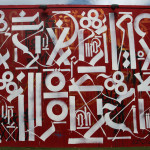 Wynwood Walls, of Miami has been called "a Museum of the Streets."
 Low like the mean dream
of Newark the sky must
have seemed to its builders.
Rickety now, unhingin
Low like the mean dream
of Newark the sky must
have seemed to its builders.
Rickety now, unhingin
 At last, the extremes
of his present methods
seemed to offer
the happiest avenues.
The strengthe
At last, the extremes
of his present methods
seemed to offer
the happiest avenues.
The strengthe
 5th Limb
Poems
5th Limb
Poems
 Poem, Knot
 Poem, Look This Way
 Xue Du, Poem
 A woman in a black kimono dyed black hair
disappeared behind a black curtai
A woman in a black kimono dyed black hair
disappeared behind a black curtai
 Poem:
Behind the War On Women
Poem:
Behind the War On Women
Raphael Perez
 Maria Mizzotti-Gillan
 Short Story
 Pilar Fraile Amador
poem
Pilar Fraile Amador
poem
Poem
 Lady Haiti
 David Trinidad
 Landzy Theodore
 Angelo Nikolopoulos